


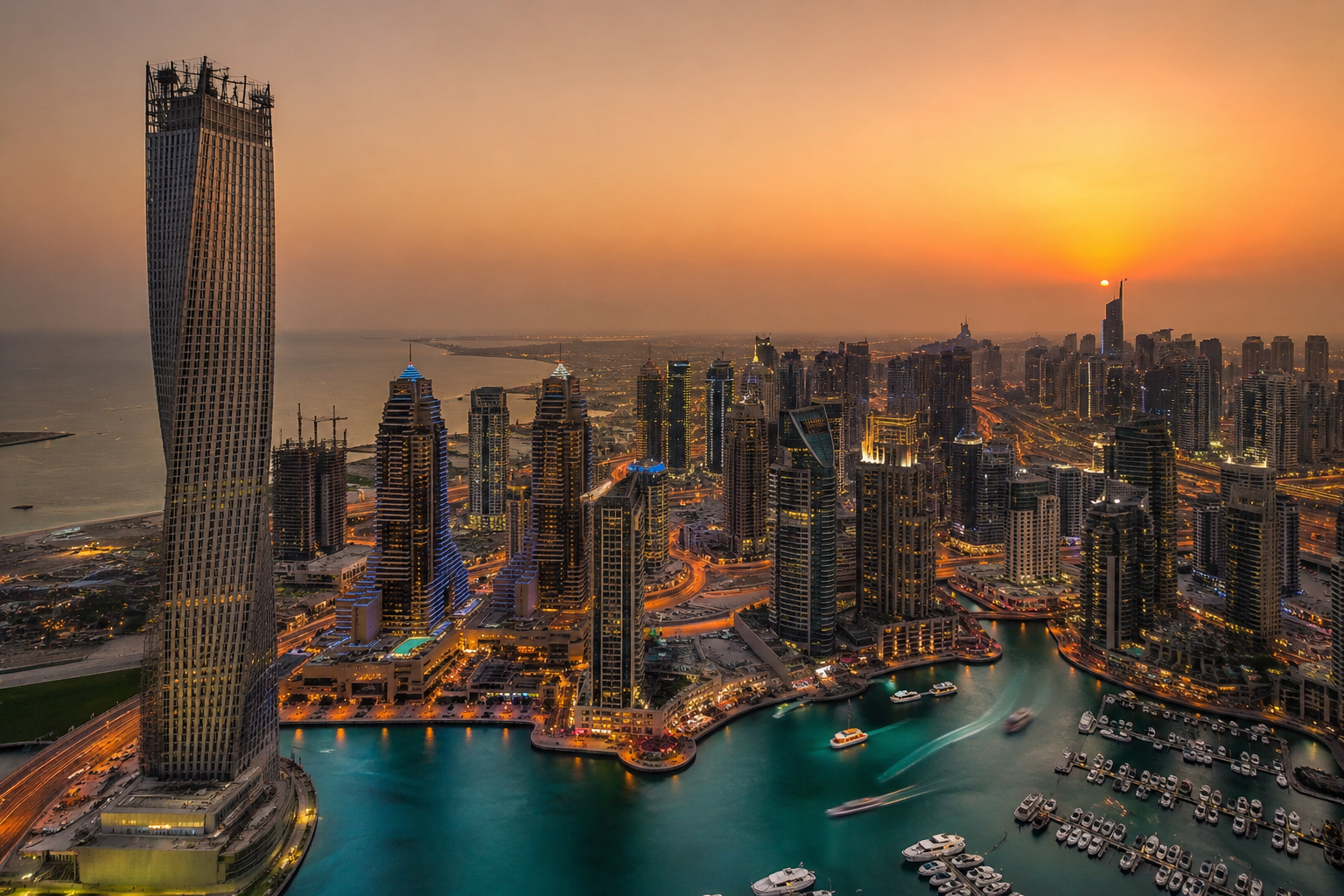
WHEN GEOPOLITICS REDRAWS THE MAP OF THE WORLD'S GREATEST FORTUNES
Write your While Dubai has long been seen as a haven for the world’s wealthiest individuals, geopolitical tensions in the Middle East serve as a reminder of an often-overlooked reality: even the most attractive financial centers remain exposed to regional risks. Since the escalation of the conflict with Iran, several specialized firms have observed an increase in requests for relocation from wealthy families and expatriate entrepreneurs based in the Emirates. (IsraelValley) Favorable tax rates, security, economic stability, luxury real estate, quality of life: Dubai had managed to combine all the criteria sought by HNWIs (“High Net Worth Individuals”). (Le Le Monde.fr) But in international wealth management strategies, one factor is once again taking center stage: geopolitical stability. We are now seeing a gradual shift of capital flows toward jurisdictions perceived as more predictable and neutral: • Singapore • Switzerland • London • Monaco • certain areas of the United States This trend underscores a fundamental principle of international investment: geographic diversification applies not only to assets but also to places of residence, corporate structures, and decision-making centers. For professionals in law, taxation, and international mobility, these shifts also raise very concrete questions: tax residency; asset protection; wealth structuring; banking compliance; company transfers; investor visas; and securing family offices. “Country risk,” long considered secondary in Dubai, is once again becoming a major strategic factor. #Dubai #Geopolitics #InternationalMobility #InternationalTaxation #WealthManagement #FamilyOffice #Investment #MiddleEast #Expatriation #InternationalBusiness Read the article here...